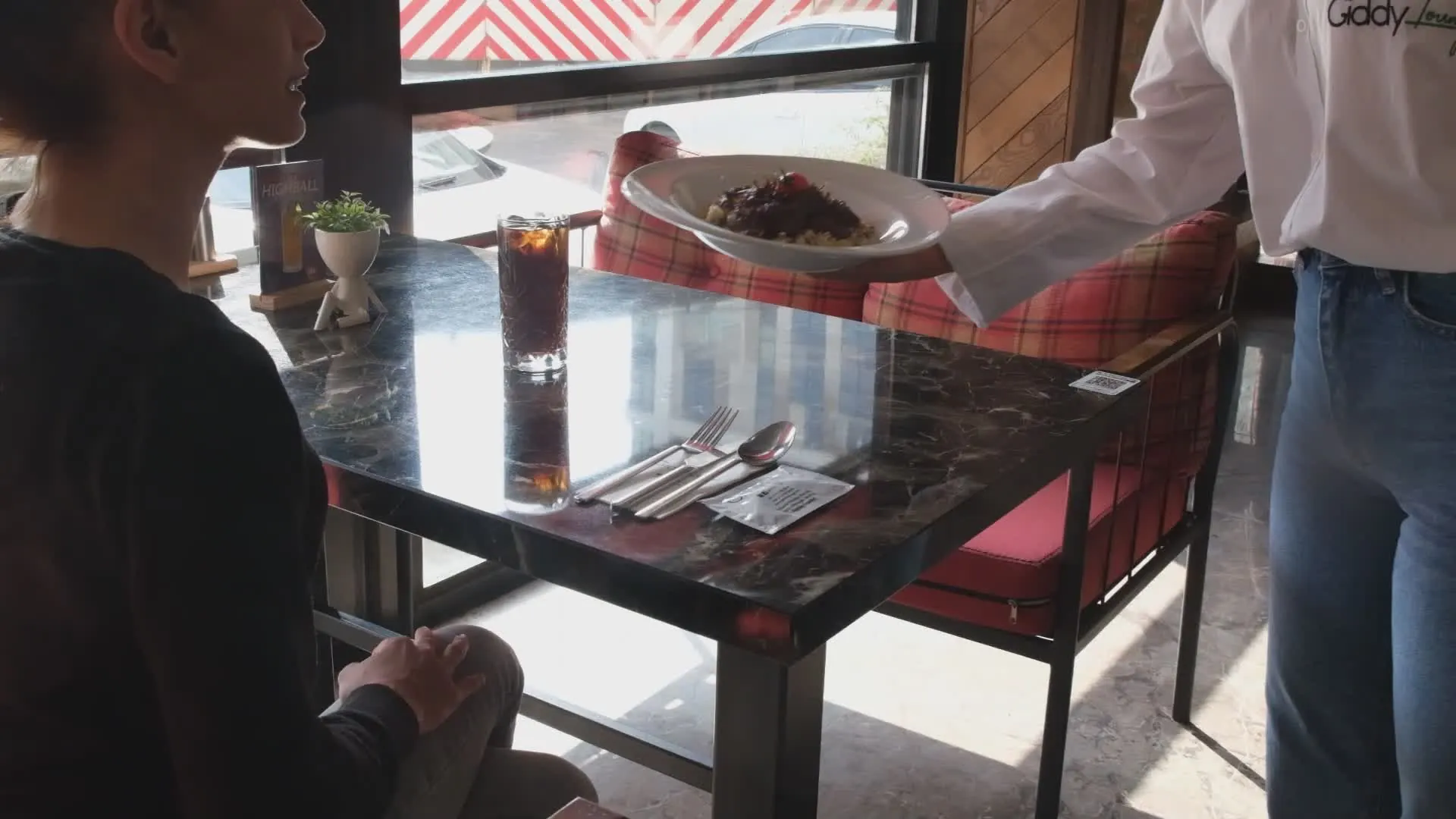
A hotel has three days to recover from a bad start. A restaurant has about an hour, and the guest decides how it is going somewhere around minute five, usually while reading the menu and waiting to be noticed.
So the things I look at in a restaurant are small and fast. None of them is about cooking. Your kitchen is probably fine; it is the ninety centimetres between the kitchen and the table that costs you the review.
A menu that answers questions
Guests do not ask most of the questions they have. They decide. If a dish doesn't say whether it is spicy, whether it contains shrimp paste, whether it is big enough to share, a table will quietly order round the uncertainty and you will never know you lost the sale.
Write what the thing actually is in plain words, and make allergens easy to ask about without a performance. Then train the team to say "let me check with the kitchen" rather than guess. Guessing is how somebody with a shellfish allergy ends up in a clinic, and it is the one mistake you cannot apologise your way out of.
If a modification is not possible, say so straight away and offer the nearest thing that is. Guests forgive no. They do not forgive a yes that turns into no at the table.
Orders that arrive together, or an explanation
Most complaints I read about timing are not about waiting. They are about two people eating while the third watches. Nobody at that table enjoys their food, including the two who were served.
- Set the expectation when you take the order, especially for anything that genuinely takes twenty-five minutes. A guest told in advance is waiting; a guest not told is being ignored.
- Write modifications down and repeat them back. Half of what reaches the kitchen wrong was heard wrong at the table.
- When something is late, the guest hears it from you before they look around for someone to ask. That one habit removes most of the frustration, and it is free.
The dish that comes back
Something arrives cold, or over-salted, or simply not what the guest imagined. How your team handles the next sixty seconds decides whether that is a small thing or the whole evening.
Listen without defending the kitchen. Thank them for saying it, because most people say nothing and write it down later instead. Ask what would make it right rather than announcing what you are prepared to do. Then check back after it is fixed, which is the step almost everybody skips.
And write it down. One guest sending back the same dish is a bad night. Four guests in a month sending back the same dish is a recipe problem, and nobody will spot it unless someone is keeping the list.
The bill
A guest who questions a charge is not accusing you of anything. They are confused, usually about service charge, tax, or something they thought was included. Go through it line by line in ordinary language, fix it if it is wrong, and thank them for raising it.
Better still, make it impossible to be surprised: prices that include what they include, and anything added printed where people read rather than where the lawyers are happy. An evening that was lovely until the bill is remembered as an evening about the bill.
Something worth doing once this works
When the basics are steady, a restaurant can be memorable rather than merely good: a short seasonal menu that tells you where the ingredients came from, an evening where the chef actually talks to the room, a small pairing with a producer from down the road.
These are cheap and they travel: guests tell people about them. They are also the first thing I postpone if the orders are still arriving apart, because a storytelling menu does not survive a table that has been waiting twenty minutes for water.

What I'd do with this
If you run a restaurant and the reviews mention the service more than the food, this is where I'd start.
This week
- I'd rewrite the menu descriptions that make guests guess, and agree how allergens get answered.
- I'd set one habit: the guest hears about a delay from you, before they start looking around.
- I'd give your team the words for a dish coming back, and the authority to put it right at the table.
Over a season
- I'd eat here as a guest on a busy night, then work a service beside your team, and tell you what I found in both.
- I'd write the service flow and the complaint steps the way your floor actually works, and train them during service.
- I'd keep a list of what comes back and why, and go through it with you monthly until the pattern is gone.
I read every enquiry myself, and I answer it myself. Anggun